

Correct gutter installation is crucial for shielding your residence from water damage, especially in Arkansas where unpredictable weather can lead to heavy rainfall. Whether you're considering gutter guards or planning a full installation, understanding the key factors can save you time, money, and headaches. https://codimd.syssec.org/Nekmi0e_QqSFReYUfUGXcg AGM Gutters is a trusted provider for Gutter Installation in Arkansas, offering reliable solutions to keep your home safe and dry.
1. Gutter Guards prevent Clogs and Spillage
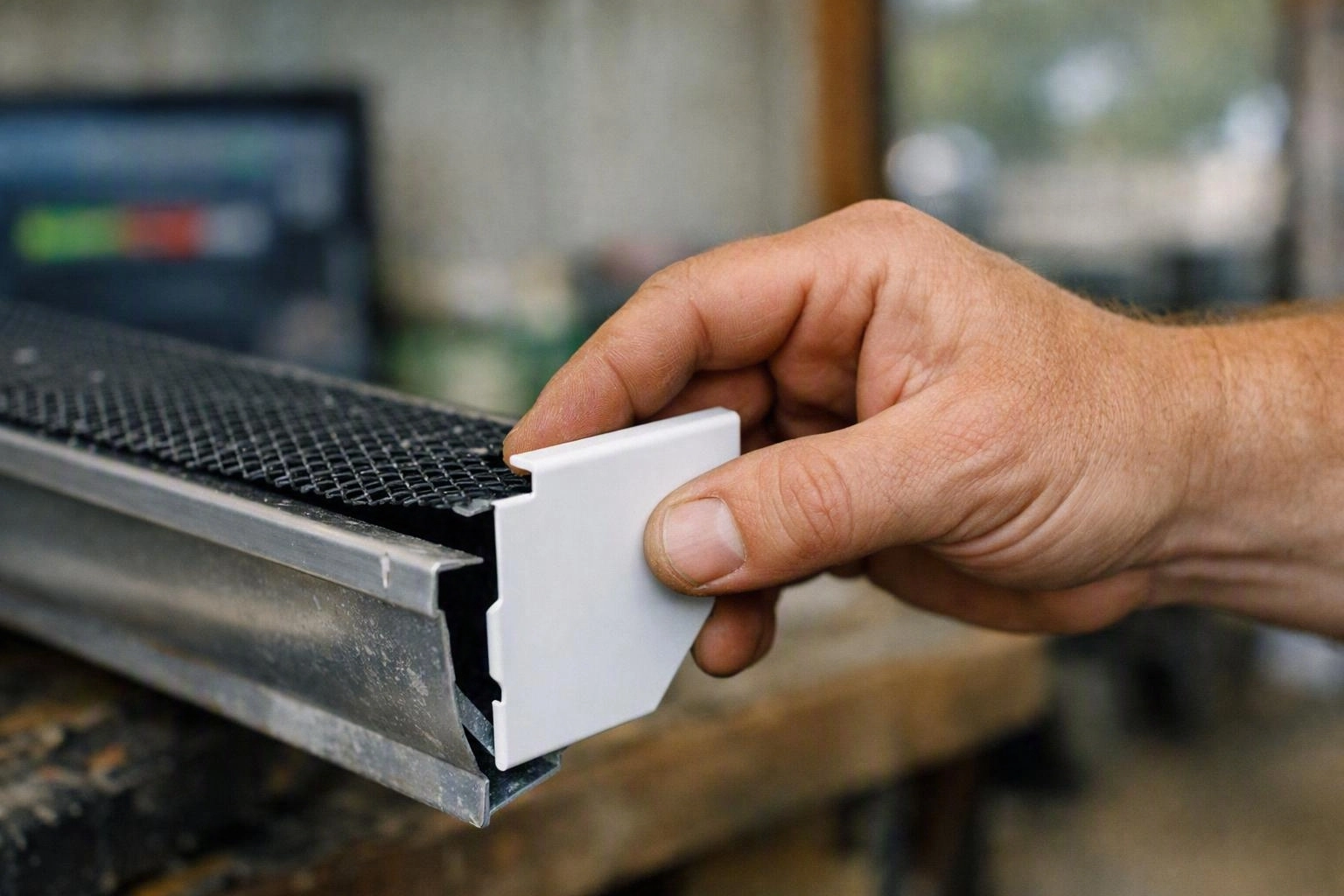
Gutter guards are designed to keep material like leaves and twigs from accessing your gutters. By serving as a barrier, they lower the need for often maintenance and avoid water from running over. This is especially vital in Arkansas, where trees shed leaves throughout the seasons and rainstorms can deliver sudden intense precipitation.
Without guards, gutters can become clogged, causing in water accumulating around your structure. This can cause structural harm, mildew spread, and expensive fixes. Selecting the right type of guard—such as net, screen, or backwards curve—can make a big impact in your setup functionality.
2. Mounting Standard Influences Longevity
The method gutters are mounted significantly impacts how long they last. Incorrectly mounted gutters can droop, leak, or fall off from the house, resulting in water injury and the necessity for soon replacement. A skilled installer guarantees that gutters are correctly tilted, secured, and linked to water pipes.
In Arkansas, where climate conditions can be intense, the level of setup is important. A reliable contractor like AGM Gutters realizes regional circumstances and employs approaches that ensure your gutters operate properly for years to come.
3. Composition Choice Impacts Longevity
Gutters are fabricated from numerous materials, including aluminum, steel, copper, and vinyl. Each has its own merits and drawbacks. Aluminum is low weight and immune to rust, which makes it a widely used option in Arkansas. Steel is stronger but more likely to experience corrosion unless adequately protected. Vinyl is cost-effective but not as long-lasting in extreme weather.
4. Correct Gradient Ensures Successful Liquid Movement
Gutters must be placed with a small incline to lead water toward the downpipes. If the gradient is too low, water can pool; if it's excessive, it can lead to spillage. The right incline is typically about one half inch per 10 feet of gutter length.https://blogfreely.net/thingyogurt77/gutter-installation-in-conway-choosing-the-right-contractor
5. Gutter Placement Matters
Gutters are just as important as gutters themselves. Their placement determines where water is moved away from your home. Generally gutters should protrude at least five feet from the foundation to avoid water from pooling near the base of your house.
6. Regular Maintenance Keeps Systems Working
7. Regional Atmosphere Influences Design
Arkansas faces a humid subtropical atmosphere with warm summer months and moderate winter season. This implies your gutter design must deal with both intense rainfall and sometimes frost buildup. A thoughtfully created design considers these aspects into account, ensuring it can manage the area’s particular weather trends.
8. Professional Installation Offers Peace of Mind
Frequently Asked Questions
What is the average lifespan of gutters in Arkansas?
The usual existence of gutters in Arkansas bases on the composition and care. Aluminum gutters generally endure 20 to 30 decades, while metal or metal can endure even longer with proper attention. Frequent care and skilled placement can prolong their duration.
Can gutter guards stop all debris from going into gutters?
Gutter guards greatly reduce debris infiltration but do not eradicate it entirely. Some tiny particles, like dirt or pine needles, can still move through. However, they considerably minimize the need for frequent cleaning and protect your gutters from significant obstructions.
How often should gutters be checked in Arkansas?
Gutters should be checked at least two times a year—once in the early season and once in the autumn. This helps identify any issues before heavy rains or storms arrive. A qualified inspection can also detect possible problems early, stopping costly repairs.
Last updated November 2026